Understanding the Impact of Weather on Roof Work
Weather can have a significant impact on roofing projects. Different conditions affect the way roofs are installed and repaired. For homeowners or businesses, understanding these effects is crucial for planning successful projects. Rain, snow, wind, and temperature changes can all influence roofing tasks. By knowing how each weather condition impacts roof work, you can make informed decisions about when to schedule your projects.
The Role of Temperature in Roof Projects
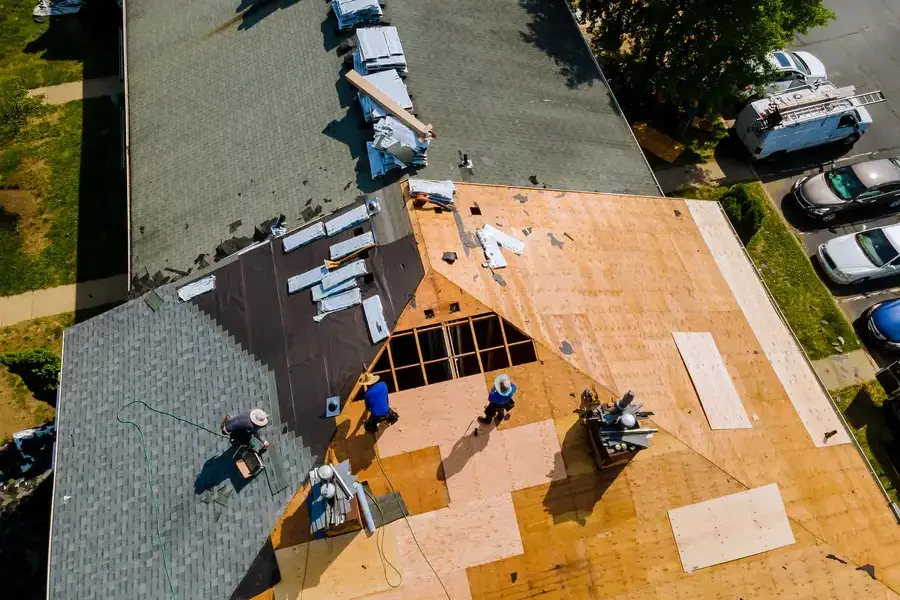
Temperature plays a vital role in roofing installation. Extreme heat or cold can complicate the process. In hot weather, materials may expand, making precise installation tricky. Cold temperatures can cause materials to contract, leading to gaps or cracks. To ensure quality results, many contractors prefer working during mild seasons when temperatures are moderate.
Rain’s Effect on Roofing Tasks
Rain is another weather factor that affects roofing installation. Wet surfaces make it difficult to adhere materials properly. Water can also seep under shingles, potentially causing long-term damage. Postponing work during rainy periods is often necessary to maintain safety and quality. Schedule installations during dry spells to avoid delays and ensure lasting results.
Wind Challenges in Roof Construction
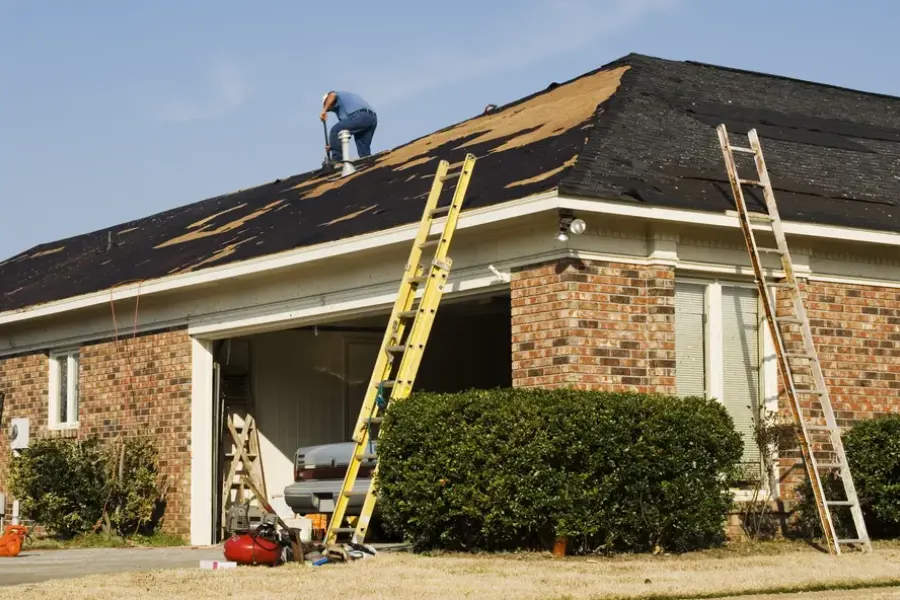
High winds pose challenges for roofing installation as well. Strong gusts can lift shingles or other materials before they are secured. This not only risks material loss but also endangers workers’ safety. Working in calm weather ensures that materials remain in place during installation, reducing the risk of accidents or repairs.
The Importance of Seasonal Timing
Choosing the right season for roof work can save time and money. Many professionals recommend spring or fall for roofing projects due to moderate temperatures and lower chances of rain. Planning ahead allows you to capitalize on favorable weather conditions, ensuring both efficiency and durability.
Best Practices for Weather-Related Roofing Solutions
- Check weather forecasts regularly when scheduling roofing tasks.
- Hire experienced contractors who understand local weather patterns.
- Opt for materials suited to your climate’s typical conditions.
Guidelines for Adapting to Climate Variability
Climate variability requires flexible planning for roofing projects. Contractors should adjust timelines and methods based on current weather patterns. For example, if unexpected storms occur frequently, opting for quick-setting adhesives might be beneficial. Communicate with your contractor about potential adjustments needed due to changing conditions.
Financial Considerations Linked to Weather Effects
Weather-related delays can increase project costs. Additional labor hours or material expenses may arise from unforeseen interruptions. However, by scheduling wisely and choosing optimal times for roof work, you can minimize such risks. Investing in weather-resistant materials initially may also reduce repair costs in the future.
Conclusion: Plan Your Roofing Project Wisely
For quality roof work, consider how different weather conditions affect timing and costs. Reach out to Roof Services in Hayward at (510) 954-8371 for expert guidance tailored to your needs. Based in Hayward, CA, our team is equipped to handle any challenge that local weather presents.