Factors Influencing the Duration of a New Roof Installation
Replacing a roof can seem like a big job. However, understanding what goes into this process can help you plan better. Many factors affect how long it takes to complete a new roof. Weather conditions, size, and type of materials used all play a role in determining the timeline. By knowing these details, you can make informed decisions about your roofing project.
General Timeline for Installing a New Roof
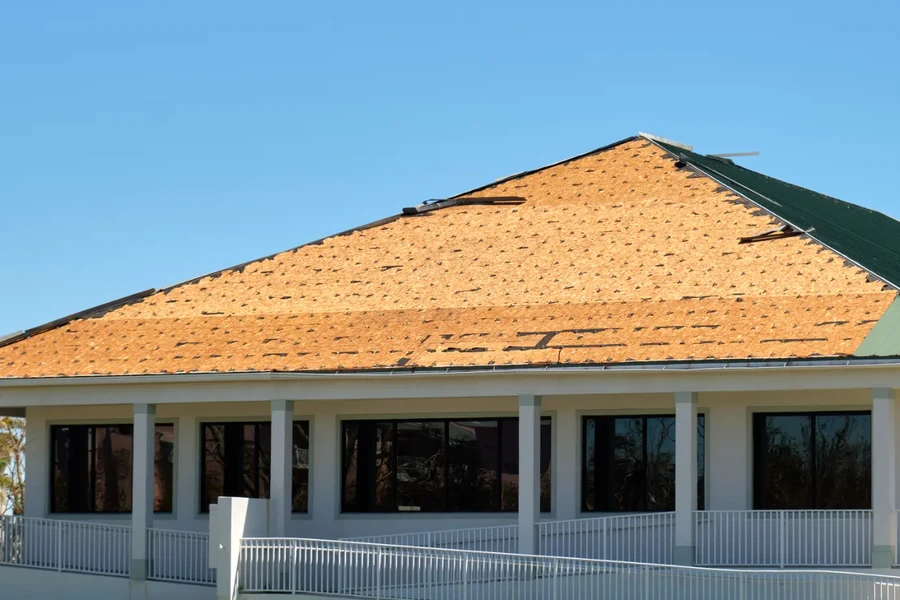
On average, installing a new roof might take anywhere from one to three days. The exact timeline depends on several aspects. For example, a simple asphalt shingle replacement may only take a day. Conversely, more complex projects that involve specialized materials or larger homes could extend beyond three days. It’s essential to communicate with your roofing contractor to get a realistic time estimate tailored to your specific situation.
Impact of Material Choice on Installation Time
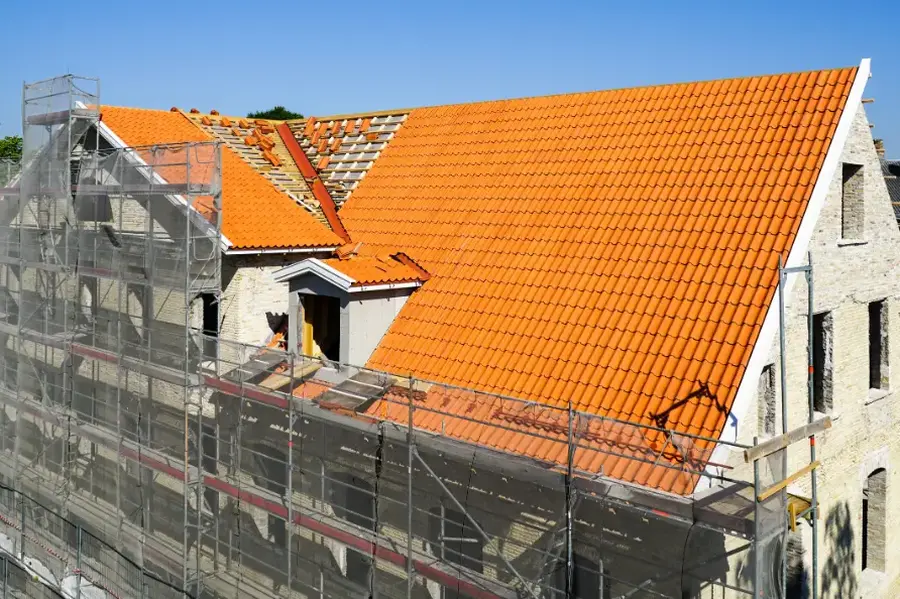
The type of roofing material chosen significantly impacts how long roof replacement takes. Asphalt shingles are quick to install due to their lightweight nature and ease of use. On the other hand, metal roofs or tiles might require more time because they demand precise installation techniques. Always discuss with your contractor the pros and cons of each material to understand the implications on both cost and duration.
Weather Conditions Affecting Project Timeline
Weather plays an essential role in scheduling and completing roof replacement jobs. Ideal weather is dry and mild. Rain or extreme temperatures can delay work due to safety concerns and potential damage risks. Therefore, plan your roof replacement during seasons when the weather is typically stable. This foresight helps avoid unnecessary delays and ensures a smooth installation process.
Size of Your Home Matters
The bigger the home, the longer it will likely take to replace the roof. Larger homes simply have more surface area that requires attention, increasing labor time. Additionally, multi-story houses add complexity because they often need special equipment for safe access. While smaller homes generally finish quicker, always consider unique architectural features that might extend the project scope.
Steps Involved in Replacing a Roof
Understanding the steps involved can give you insight into why certain phases take time:
- Inspection: Assessing current roof condition
- Removal: Stripping away old materials
- Repair: Fixing any structural issues found
- Installation: Laying down new materials
- Cleanup: Ensuring all debris is removed properly
Tackling Unexpected Delays
Sometimes, unforeseen issues arise during roof replacement projects. Hidden damages such as rot or mold might be discovered once work begins. Addressing these problems is crucial to ensure the longevity of your new roof but can add time to the schedule. Regular updates from your contractor can help manage expectations and keep stress levels low.
Choosing Quality Contractors for Efficiency
Selecting a reputable contractor is vital for timely completion. Experienced professionals offer accurate timelines based on prior experience and efficiency in handling different tasks. They also provide quality assurance by adhering to industry standards, which minimizes rework and delays. Request references and check credentials before making your selection.
Your Next Steps for a Successful Roof Replacement
If you’re planning a project soon, start with thorough research on potential contractors in Roswell, NM. Consult with them about your specific needs and budget constraints. At America Pride Roofing, our team stands ready to assist with expert advice and quality service. Give us a call at (575) 250-2427 to begin planning your roofing project today.